The word suite can suggest generous space without explaining how that space works. A sitting area beside a bed and a separate room behind a door suit different routines. Before choosing a casino-resort room, picture the small journeys you will make inside it: arriving with bags, reading while someone sleeps and getting ready for an evening meal.
Read the plan as a route
Begin at the entrance and follow the route to the bed, bathroom and sitting area. Notice whether luggage would sit in a passage, whether a bathroom door faces the sleeping area and whether chairs leave space to move. A suite layout is useful when it explains these relationships. Floor area alone cannot show where one person’s activity interrupts another.
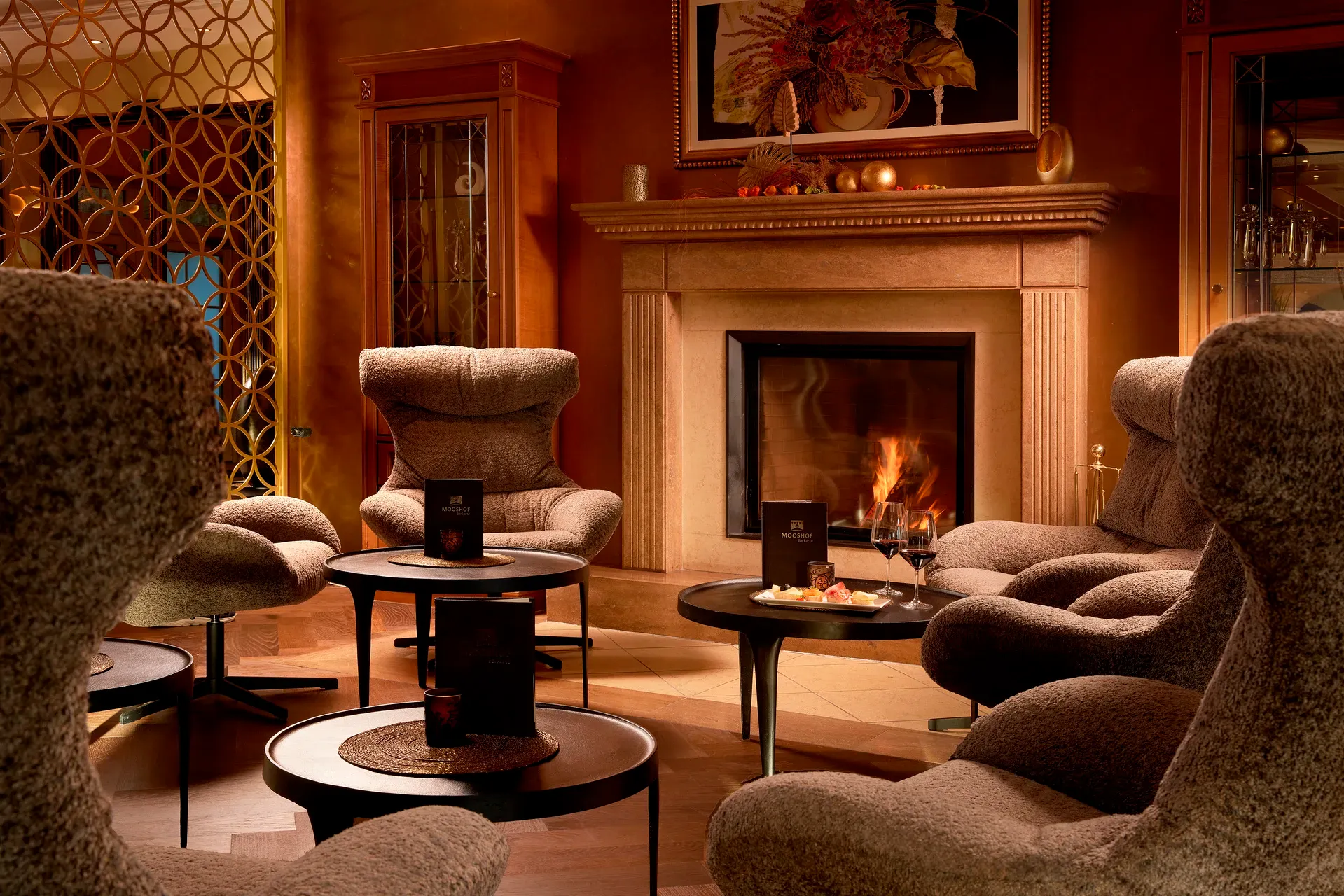
Photographs help with atmosphere but can hide connections. A wide view may make a compact room seem open, while a close view of a sofa says little about the space around it. Ask whether the pictured room is the category you are booking. If no floor plan exists, a plain description of doors and separate areas can still answer the important questions.
Questions to send with a room enquiry
- Does the sitting area have a door separating it from the bed?
- Where can two open bags sit without blocking a passage?
- Is bathroom access possible without crossing the sleeping area?
Place the room within the building
A quiet interior depends partly on what is outside it. A room near a lift may offer a shorter walk but more passing voices. A room above a terrace may have an appealing outlook yet need questions about evening use. Ask about the actual category and position rather than treating a high floor or a city view as a guarantee of restful nights.
Windows deserve their own conversation. Find out whether they open, what curtains cover and whether the advertised view is visible from normal seating. A glimpse obtained by standing at one edge of a window differs from the outlook suggested by a carefully framed image. Describe what matters to you without assuming that every traveller values the same view.
Turn a preference into a clear request
- Name the routine you want to protect, such as an early bedtime.
- Ask which room positions are less exposed to evening activity.
- Check whether the answer is a confirmed feature or a request.
Requests and guarantees should remain separate in your notes. A helpful staff member may record your preference without being able to assign a particular room in advance. Ask what is confirmed in the booked category and what depends on availability. That distinction makes it easier to compare another option without expecting an assurance that nobody has actually given.
Compare arrangements before finishes
| Arrangement | Possible benefit | Question |
|---|---|---|
| Open sitting area | Shared space | Can light be controlled? |
| Separate lounge | Different bedtimes | Does the door close? |
| Room near a lift | Shorter route | How busy is the corridor? |
Lighting and controls complete the picture. Ask whether bedside lamps work independently and whether the main lights can be turned off from the bed. Check the position of charging points if you use a device for travel information. None of these details requires a grand luxury claim; they simply make a room easier to live in for a few nights.
For a stay later in 2026, keep the room description attached to the booking you actually make. Categories and photographs may change, so a remembered description from an earlier search is weak evidence. Pair the room questions with your arrival plan, then consider the route to shared spaces in our resort public spaces article.
Author’s opinion
I would choose a clear suite layout over an impressive list of decorative materials. A door that lets one person read while another sleeps can matter more than an elaborate lobby photograph. My preferred room description explains movement, light and the surrounding building in ordinary words. It leaves enough detail to decide whether the room suits the stay I want.
Author: Constance Alder Wrenley. Publisher: Mayfair Luxe Room Plan Review.